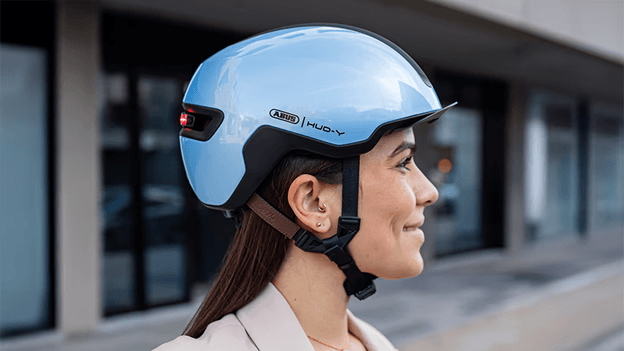
How to Choose a Bike Helmet: A Clear Guide to Fit, Safety, and Comfort
Learn what really matters certified safety, the right style for your riding, a secure fit, and comfort features you’ll actually wear plus when to replace and how to care for it.
Butyl tubes are cheap and reliable but they’re also slow and heavy. Swapping to latex or TPU can cut rotating weight, lower rolling resistance by several watts, and improve ride feel for about $40–$60.

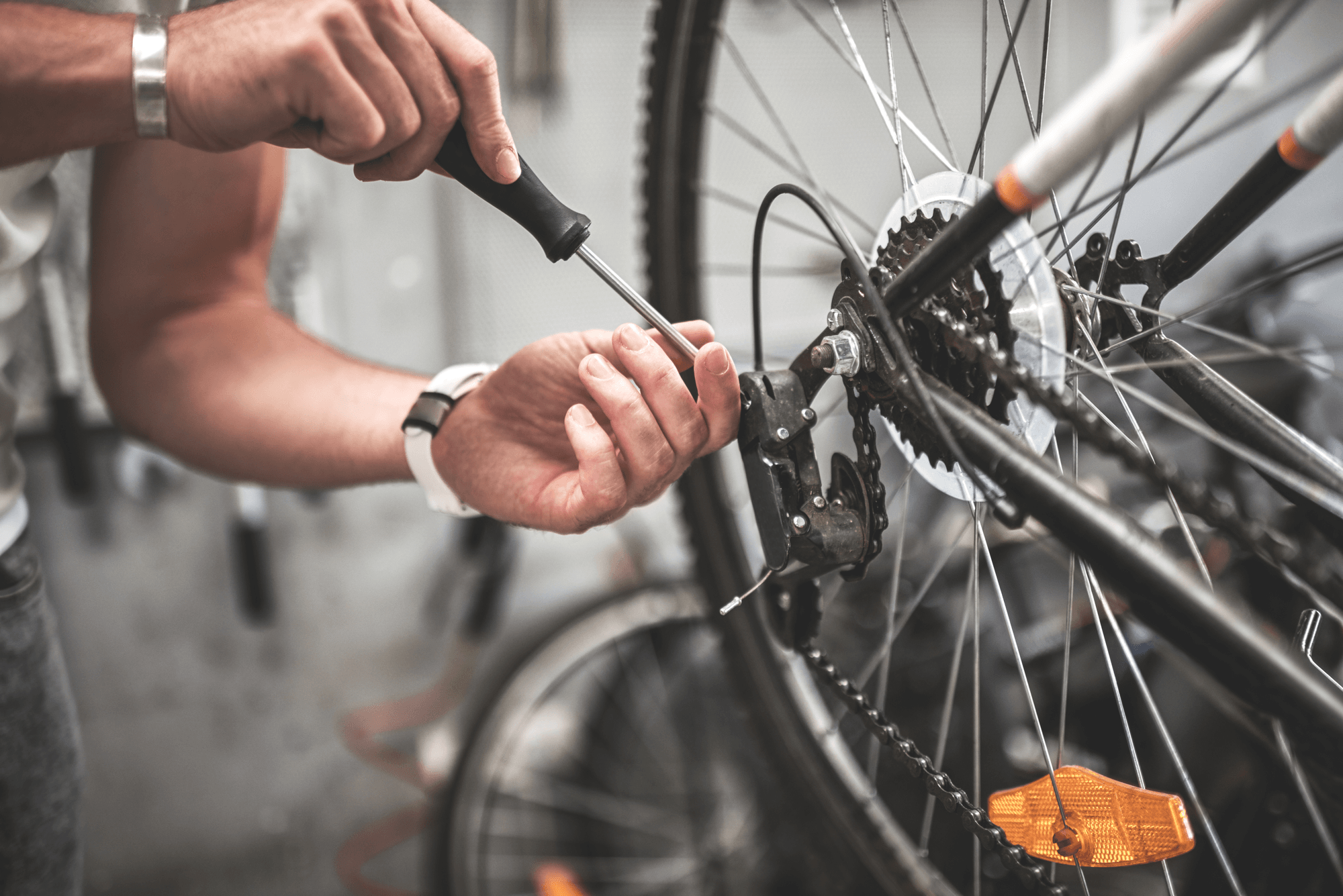
Inner tubes are not exciting. You do not see them, and they do not change how your bike looks. But they play a key role in how your bike performs.
Many riders already know that upgrading tires can make a big difference. A high-quality tire like the Continental GP5000 S TR improves grip, comfort, and speed.
What fewer riders realize is that switching from standard butyl tubes to latex or TPU tubes can deliver similar performance gains for much less money.
A pair of upgraded tubes usually costs between 40 and 60 dollars. That is less than one premium tire. Yet the impact on your ride can be just as noticeable.
Not all inner tubes behave the same way.
Standard butyl tubes are thick and durable. They hold air well and are easy to use. That is why they are so common.
Latex and TPU tubes are different. They are thinner, lighter, and more flexible. This changes how they interact with the tire and the road.
Latex tubes stretch easily and return to shape with very little energy loss. TPU tubes are highly engineered, extremely light, and compact.
Both types reduce the amount of energy your bike loses as it rolls.
That means you go faster with the same effort.
A typical butyl inner tube weighs around 100 grams. With two wheels, that adds up to about 200 grams.
Latex tubes cut that weight roughly in half. TPU tubes go even further. Some models, like the Tubolito S-Turbo, weigh as little as 22 grams each.
This might not sound like much, but it matters where the weight is located.
Inner tubes are part of your rotating mass. Reducing weight in the wheels has a bigger effect than reducing weight in the frame. It improves acceleration and makes the bike feel more responsive.
You will notice it when you speed up, climb, or change pace.
The bigger benefit comes from rolling resistance.
As your tire rolls, it constantly deforms to match the road surface. This process uses energy. Some of that energy is lost inside the materials of the tire and tube.
Butyl tubes lose more energy because they are thicker and less flexible.
Latex and TPU tubes lose less energy because they deform more easily and recover faster.
This means your bike rolls more efficiently.
Testing shows that high-quality latex or TPU tubes can save about 3 to 3.5 watts per wheel at moderate speeds. For both wheels, that is 6 to 7 watts.
Six watts may not sound impressive. But in cycling, small gains add up.
That level of improvement is similar to what some expensive aerodynamic upgrades promise. Riders often spend thousands to save the same amount of power.
With better tubes, you get that gain for a much lower cost.
On the road, this can mean maintaining a slightly higher speed without extra effort. It can help you stay with a group or feel less tired at the end of a long ride.
It is a small advantage, but it is always working for you.
Better tubes do more than improve efficiency. They also change how the bike feels.
Latex tubes create a smoother ride. They allow the tire to adapt better to small bumps and rough surfaces. This improves comfort and grip.
TPU tubes also improve ride quality compared to butyl, while being more compact and easier to carry as spares.
In both cases, the bike feels more responsive and less harsh.
Most cycling upgrades are expensive and offer small gains.
Inner tubes are different.
For a relatively low cost, you get noticeable improvements in weight, efficiency, and ride quality. Few upgrades offer as much performance for so little money.
They are also easy to install. No special tools or skills are required.
Cyclists often focus on big upgrades that look impressive. New bikes, wheels, or components get attention.
Inner tubes do not.
But they improve how your bike rides every time you get on it. They reduce wasted energy and make your effort more effective.
If you are looking for the best value upgrade, start here.
Sometimes the smartest improvement is also the simplest. There are a few trade-offs.
Latex tubes lose air faster, so you will need to inflate your tires more often. They are also more delicate during installation.
TPU tubes are lightweight and compact, but they can be more expensive and may require specific repair kits.
Even with these downsides, the performance benefits make them a strong upgrade for most riders.
if(window.strchfSettings === undefined) window.strchfSettings = {};
window.strchfSettings.stats = {url: "https://thecyclingweek.storychief.io/inner-tubes-the-most-overlooked-upgrade?id=1330377307&type=26",title: "Inner Tubes: The Most Overlooked Upgrade",siteId: "23845",id: ""};
(function(d, s, id) {
var js, sjs = d.getElementsByTagName(s)[0];
if (d.getElementById(id)) {window.strchf.update(); return;}
js = d.createElement(s); js.id = id;
js.src = "https://d37oebn0w9ir6a.cloudfront.net/scripts/v0/strchf.js";
js.async = true;
sjs.parentNode.insertBefore(js, sjs);
}(document, 'script', 'storychief-jssdk'))
Perfect for the new riders!
No spam. Cancel anytime.


.webp)