16 Long-Distance Cycling Tips to Ride Stronger, Longer, and Smarter
April 9, 2026
By
Anna F.
Master long-distance cycling with 16 science-backed tips on fueling, pacing, cadence, hydration, gear choice, bike fit, and mindset—so your next century ride or multi-day adventure feels smoother, stronger, and more fun.
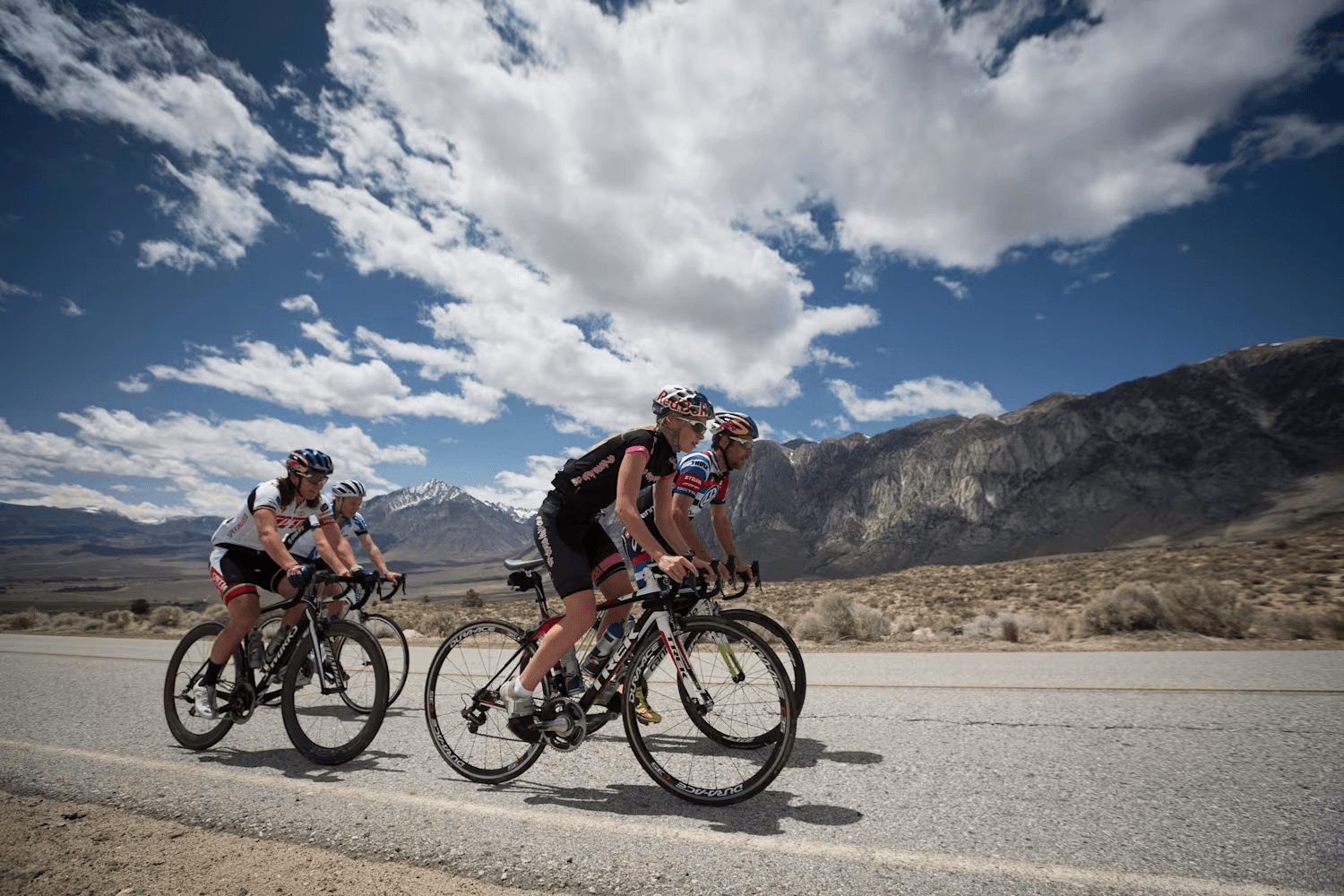
Long-distance cycling is not just about pedaling for hours. It’s a careful balance of endurance, energy management, technique, and mindset. Whether you’re preparing for a century ride (100 miles / 160 km) or a multi-day adventure, success depends less on raw fitness and more on how well you manage your resources over time.
Endurance cycling typically involves rides longer than 50 miles, where maintaining a steady pace and managing fatigue becomes the real challenge. With the right strategy, even demanding distances become achievable and enjoyable.
Here are 16 practical, science-backed tips to help you get there.
1. Fuel Your Body Before the Ride
Your ride starts long before you clip into the pedals.
In the 24-48 hours before a long ride, focus on increasing carbohydrate intake. Carbs are stored as glycogen in your muscles, which serves as your primary fuel source during endurance efforts.
Stick to familiar, easy-to-digest foods like rice, pasta, potatoes, and oats. Avoid heavy or greasy meals that may slow digestion.
2. Train Progressively, Not Aggressively
Jumping straight into long distances is one of the most common mistakes.
Instead, gradually increase your weekly mileage. Research and coaching guidelines suggest that building endurance takes consistent training over 12-16 weeks, especially for beginners.
Start with shorter rides and increase distance slowly to avoid injury and burnout.
3. Focus on Effort, Not Just Speed
Speed is seductive, but misleading.
Using tools like heart rate monitors or cycling computers helps you track effort levels more accurately. Staying within a sustainable effort zone (often called Zone 2) allows you to ride longer without exhausting yourself.
Endurance cycling is about pacing, not racing.
4. Maintain an Efficient Cadence
Cadence (the speed at which you pedal) is key to conserving energy.
Most cyclists perform best between 80-95 RPM. A higher cadence reduces muscular strain and distributes effort more efficiently across your cardiovascular system.
Training your cadence helps you ride longer with less fatigue.
5. Eat During the Ride, Consistently
If there’s one rule in long-distance cycling, it’s this: never stop fueling.
Modern sports science recommends consuming:
30-60 grams of carbohydrates per hour for moderate rides
60-90+ grams per hour for longer or more intense efforts
Eat small portions every 20-30 minutes to maintain stable energy levels. Waiting until you feel hungry is already too late.
6. Hydrate Strategically
Dehydration is a silent performance killer.
Even a small fluid loss of 2-3% of body weight can significantly reduce performance. Drink regularly throughout your ride, not just when you feel thirsty.
In warm conditions, include electrolytes to maintain fluid balance and prevent cramping.
7. Practice Your Nutrition Plan
Fueling is not something you improvise on ride day.
You need to train your gut just like your legs. Experiment with different foods, drinks, and timing during training rides to find what works best for you.
Consistency reduces the risk of stomach issues and energy crashes.
8. Use Intervals to Build Endurance
Long rides are important, but they’re not the only way to improve.
Short, high-intensity intervals (like 20 seconds hard, 40 seconds easy) improve both aerobic capacity and muscular efficiency. These workouts make long rides feel easier over time.
9. Respect Wind and Weather
Weather can transform your ride from smooth to brutal.
Headwinds increase effort dramatically, while tailwinds can give you free speed. Plan your route strategically, ideally riding into the wind first and returning with it behind you.
Always check forecasts before heading out.
10. Shift Gears Intelligently
Cycling efficiency depends heavily on gear choice.
Riding in a gear that’s too hard leads to fatigue. Too easy, and you waste energy spinning. Aim to keep your cadence steady and shift before terrain changes, especially before climbs.
Smooth riding is efficient riding.
11. Break the Ride Into Sections
Long distances can feel overwhelming.
Mentally dividing your ride into segments makes it manageable:
First third: easy and controlled
Second third: steady effort
Final third: push if you can
This strategy helps you pace yourself and stay motivated throughout.
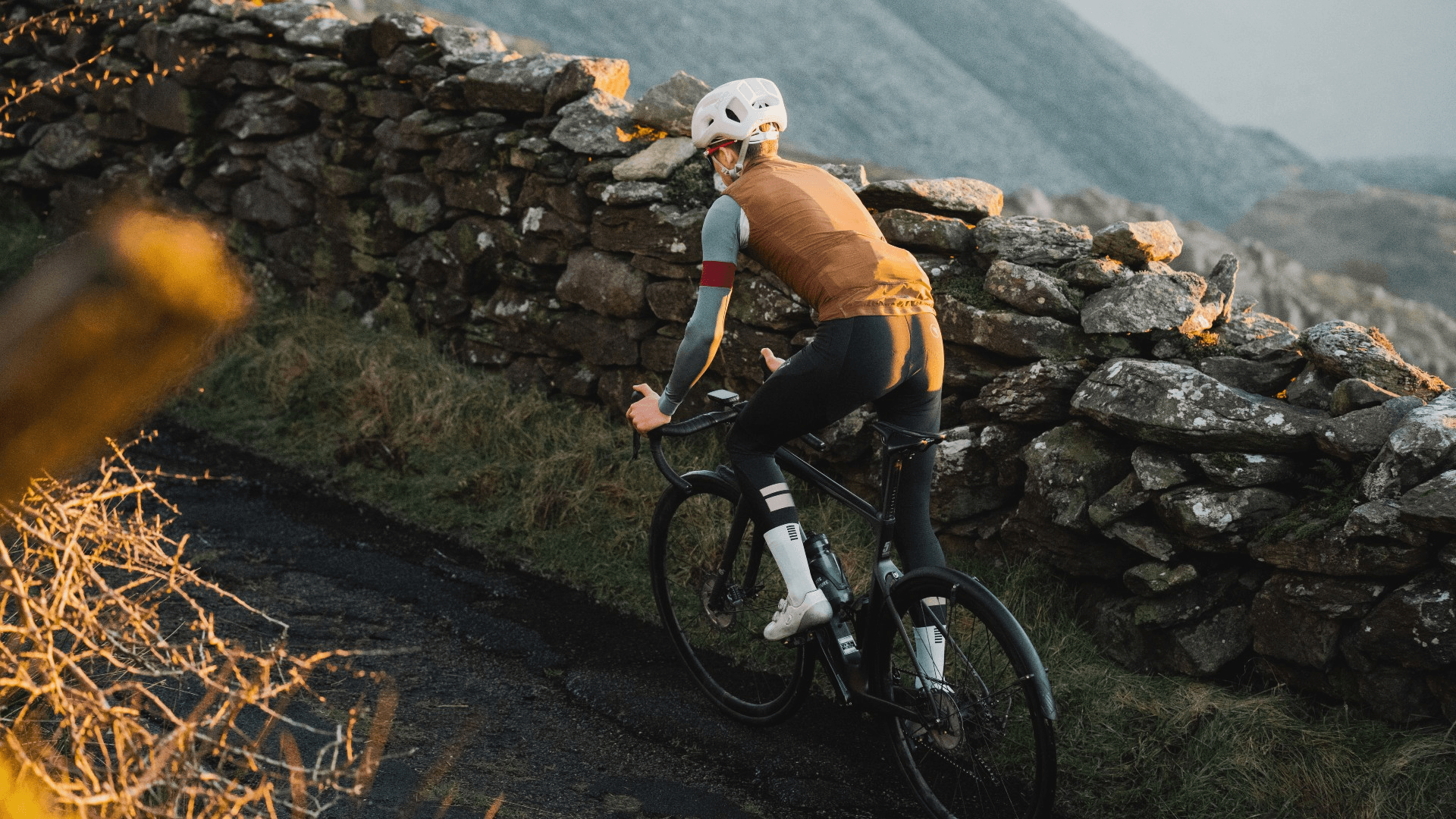
12. Improve Your Aerodynamics
Air resistance is one of your biggest enemies on long rides.
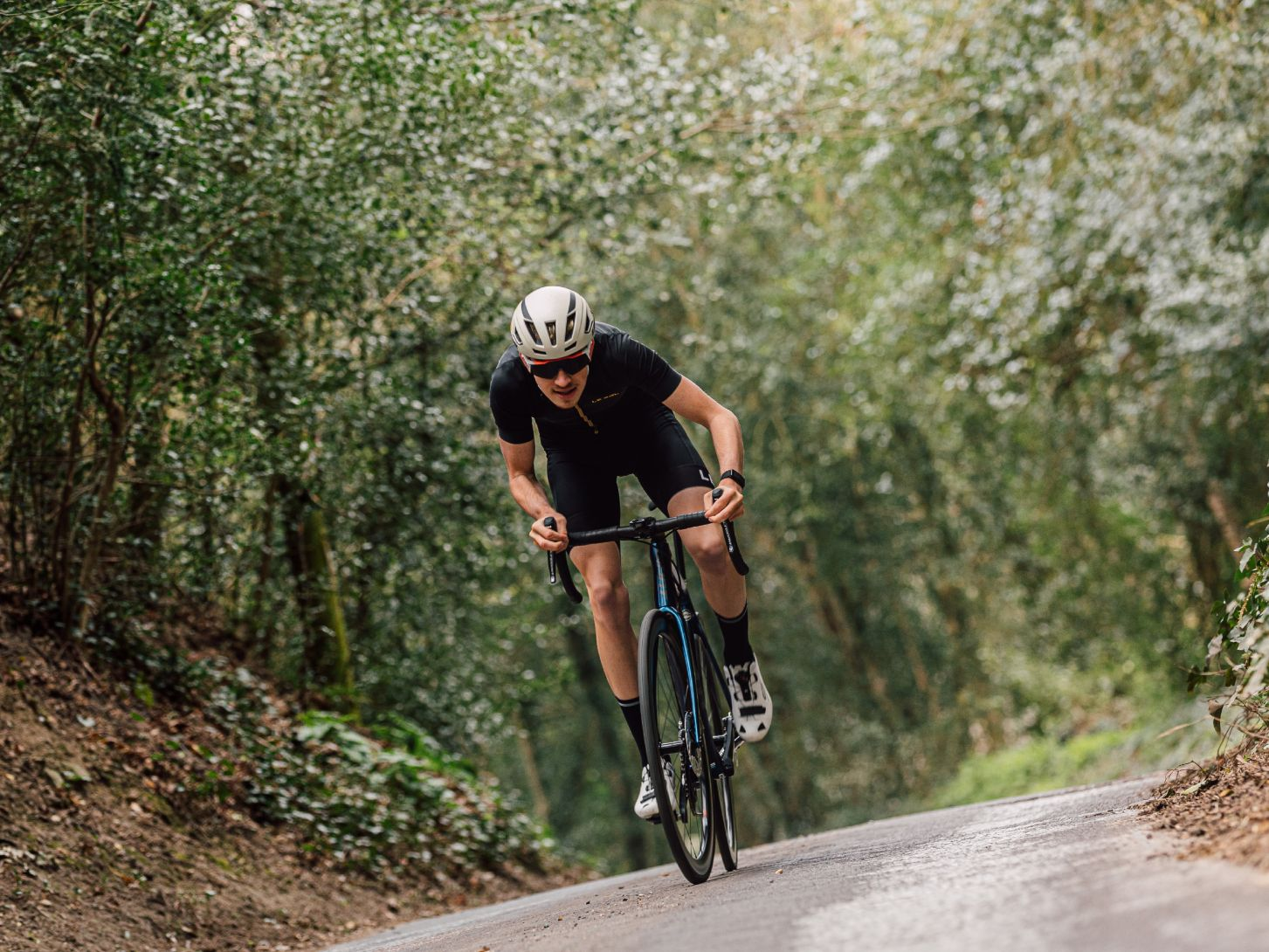
Even small adjustments (like lowering your torso, tucking your elbows, and reducing frontal area) can save energy over time.
You don’t need a racing position, just a more efficient one.
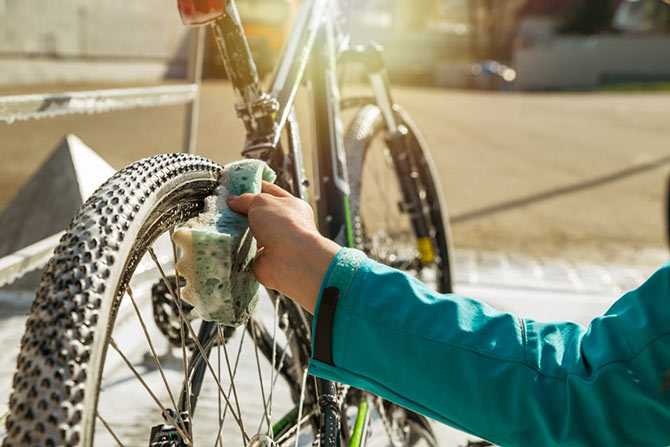
13. Check Your Bike Before Every Long Ride
Mechanical issues can ruin your day quickly.
Before heading out, check:
Tire pressure and condition
Brakes
Chain lubrication
Wheel alignment
A simple pre-ride check can prevent major problems on the road.
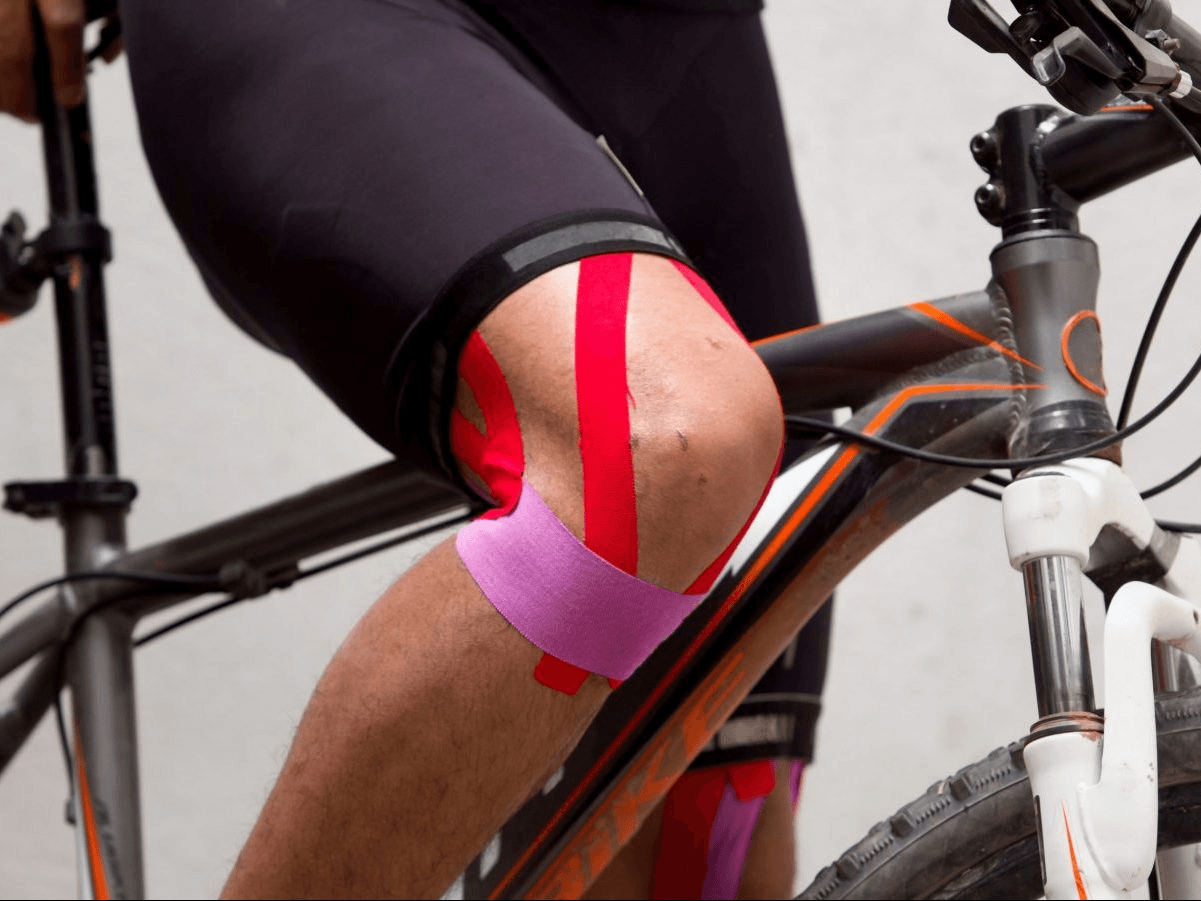
14. Get Your Bike Fit Right
A poorly fitted bike leads to discomfort, and eventually injury.
Saddle height, handlebar reach, and frame size all affect how efficiently you ride. Even small adjustments can dramatically improve comfort over long distances.
If possible, invest in a professional bike fitting.
15. Wear Comfortable, Functional Gear
Comfort is not optional on long rides.
Key essentials include:
A well-fitted helmet
Padded cycling shorts or bibs
Gloves to reduce hand fatigue
Sunglasses for protection
Small discomforts become big problems after several hours on the bike.
16. Ride Often, Not Just Long
Consistency beats occasional big efforts.
Frequent shorter rides build endurance more effectively than rare long rides. Regular training improves your aerobic base, making long distances feel more natural over time.
The goal is to make riding part of your routine, not a rare challenge.