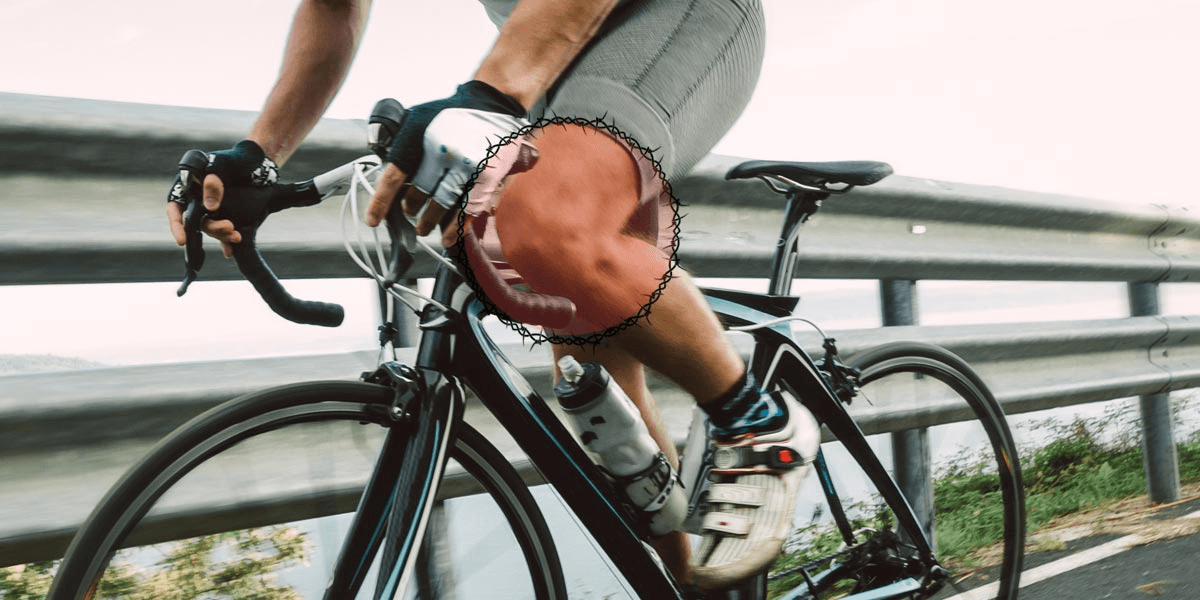
Complete Guide to Cycling Knee Pain: Causes, Fixes, and How to Stay Pain-Free
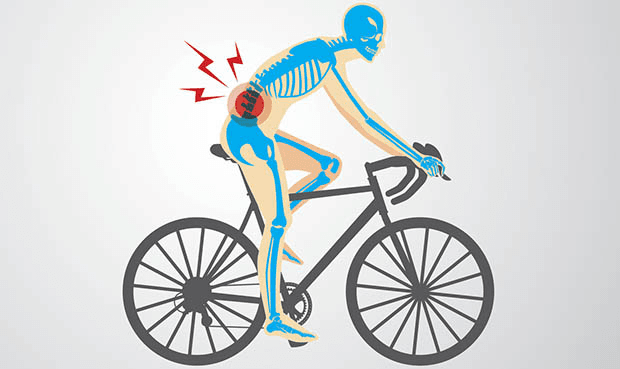
This guide shows what causes pain (fit, tight hips/IT band, weak glutes/core), how to fix it based on where it hurts, and how to prevent it.
At 100 years old, Ruth maintains her health through a disciplined routine of walking and cycling, proving that age does not have to limit physical activity.
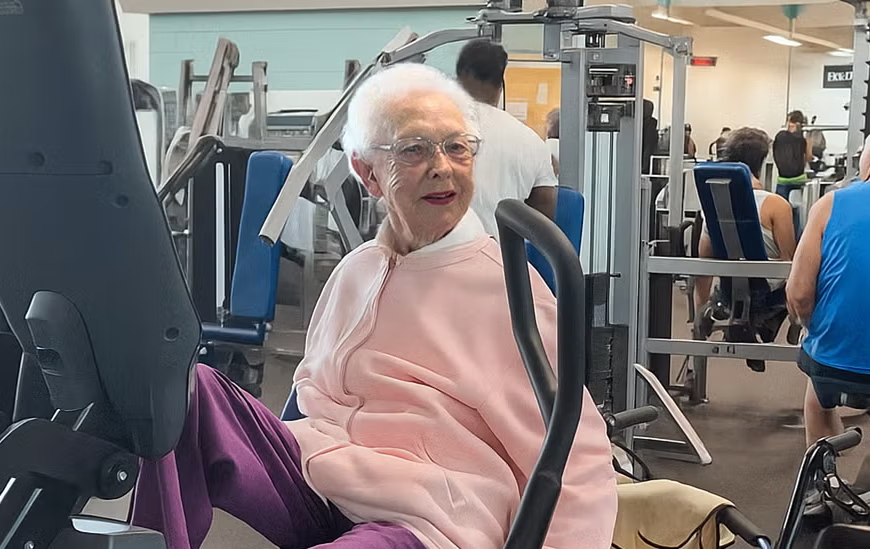
Ruth, who has recently celebrated her 100th birthday, exemplifies how regular physical exercise can contribute to longevity and sustained vitality.
Her weekly routine features a blend of cycling and walking designed to accommodate her endurance and health status.
She visits the gym three times weekly, accompanied by her 78-year-old daughter.
Although they share the gym environment, they engage in independent workouts tailored to their individual needs.
Ruth’s sessions typically involve two 30-minute stints on a recumbent exercise bike, a type that supports the lower back by positioning the rider in a reclined posture, helping reduce strain.
Between cycling sessions, she takes brief five-minute rest breaks.
After the cycling portions, Ruth completes a walk covering approximately 1.4 miles, steadily increasing her distance by roughly 0.1 miles to reach her goal of 1.5 miles.
This gradual approach exemplifies a sensible pacing strategy, allowing adaptation while minimizing injury risk.
When she cannot make it to the gym, Ruth substitutes with indoor walks around her home, completing sequences that add up to over 6,800 steps or roughly 3.2 miles.
This flexibility underscores the importance of consistency over location while catering to physical constraints.
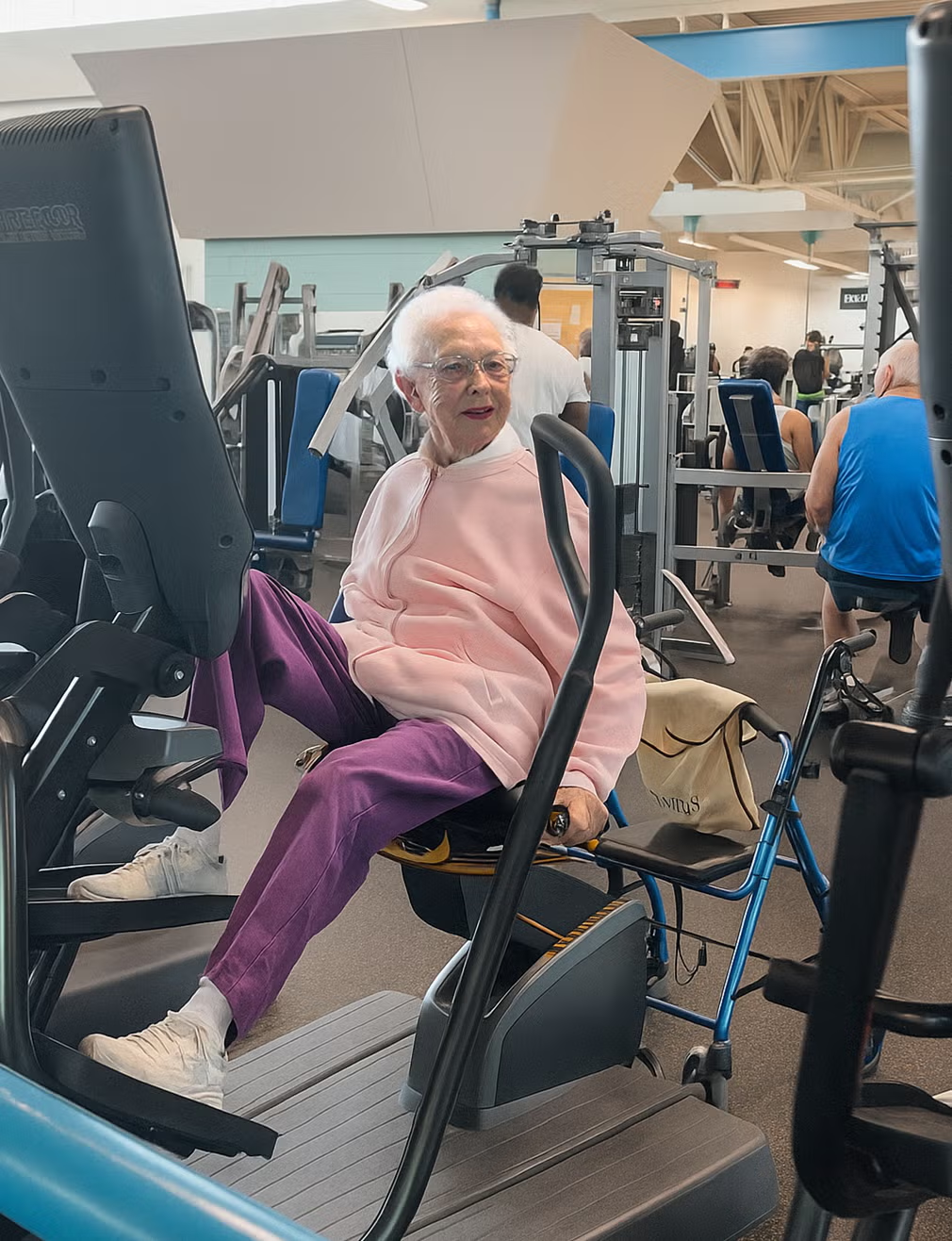
Her commitment dates back to early retirement when she engaged in daily 4-mile walks until a heart valve replacement necessitated a modified regimen, incorporating more cycling and shorter walks.
Ruth credits motivation from personal support, particularly encouragement from her late husband, illustrating that social encouragement can be vital for maintaining activity habits.
Beyond exercise, Ruth prioritizes recovery with a disciplined sleep schedule, targeting 10 to 12 hours nightly and a pre-bedtime wind-down involving watching sports such as baseball, basketball, and tennis.
Prioritizing restful sleep and relaxation promotes physiological restoration essential for recovery and overall wellbeing.
Her diet emphasizes nutrient-rich whole foods, including abundant vegetables and a breakfast consisting of toast, grapes, blueberries, cranberry juice, and yogurt, which supports sustained energy throughout her active day.
Ruth’s example highlights valuable principles for aging gracefully: maintaining routine, setting progressive yet realistic exercise goals, integrating rest and recovery, and leveraging a supportive social environment.
Perfect for the new riders!
No spam. Cancel anytime.