7 Tips to Help You Train for Your First Century Ride
March 28, 2026
By
Anna F.
Train for your first century in 12 weeks with three rides a week intervals, tempo, and a steadily longer weekend adventure plus smart gear, fueling, recovery, and occasional group rides to keep you consistent and confident.
Riding your first century is a little like deciding to cross a small country using only your legs and stubborn optimism. It sounds dramatic. It is dramatic. But it’s also completely doable.
Here’s how to train smart, stay sane, and roll across that 100-mile finish line feeling like a legend.
1. Commit to Three Rides Per Week
You don’t need to live on your bike. Three focused rides per week are enough to build the endurance you need.
Think of your week like a rhythm rather than a grind:
Day 1: Hard effort (intervals)
Day 2: Moderate effort (cadence or tempo work)
Day 3: Long ride (your endurance builder)
Spacing them out helps your body recover and adapt. A classic setup is Tuesday, Thursday, and Saturday. But real life isn’t a perfectly organized spreadsheet. If your only option is weekend back-to-back rides, that still works.
The key is consistency. Three rides per week, every week, will quietly transform you.
And if time is tight? Sneak intervals into your commute or do a quick trainer session while the world is still half-asleep.
2. Start Training About 12 Weeks Out
A century ride isn’t something you cram for like an exam. It’s something you grow into.
Twelve weeks is the sweet spot if you already ride occasionally. It gives your body time to adapt without rushing the process.
If you’re already riding regularly and just need to extend your range, you can compress things into 8 weeks. But the longer runway gives you more breathing room and fewer “why did I sign up for this” moments.
A Simple Weekly Structure
For your interval days, rotate between:
Hill repeats (build strength and resilience)
Sprint intervals (build power and efficiency)
For your moderate day:
High cadence riding (90+ RPM)
Alternating cadence drills (fast vs controlled)
And your long ride? That’s your weekly adventure. It starts manageable and gradually stretches into something impressive.
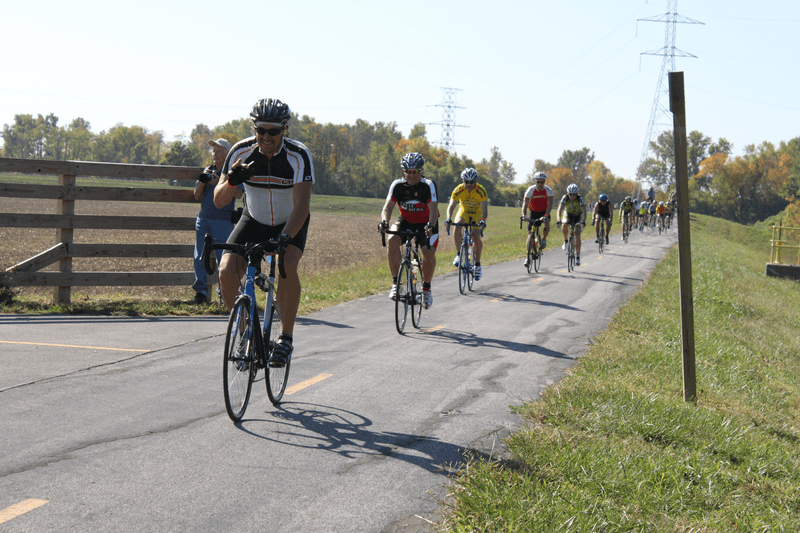
3. Find People to Ride With (At Least Sometimes)
Cycling alone can feel like meditation. Or like existential crisis. Depends on the day.
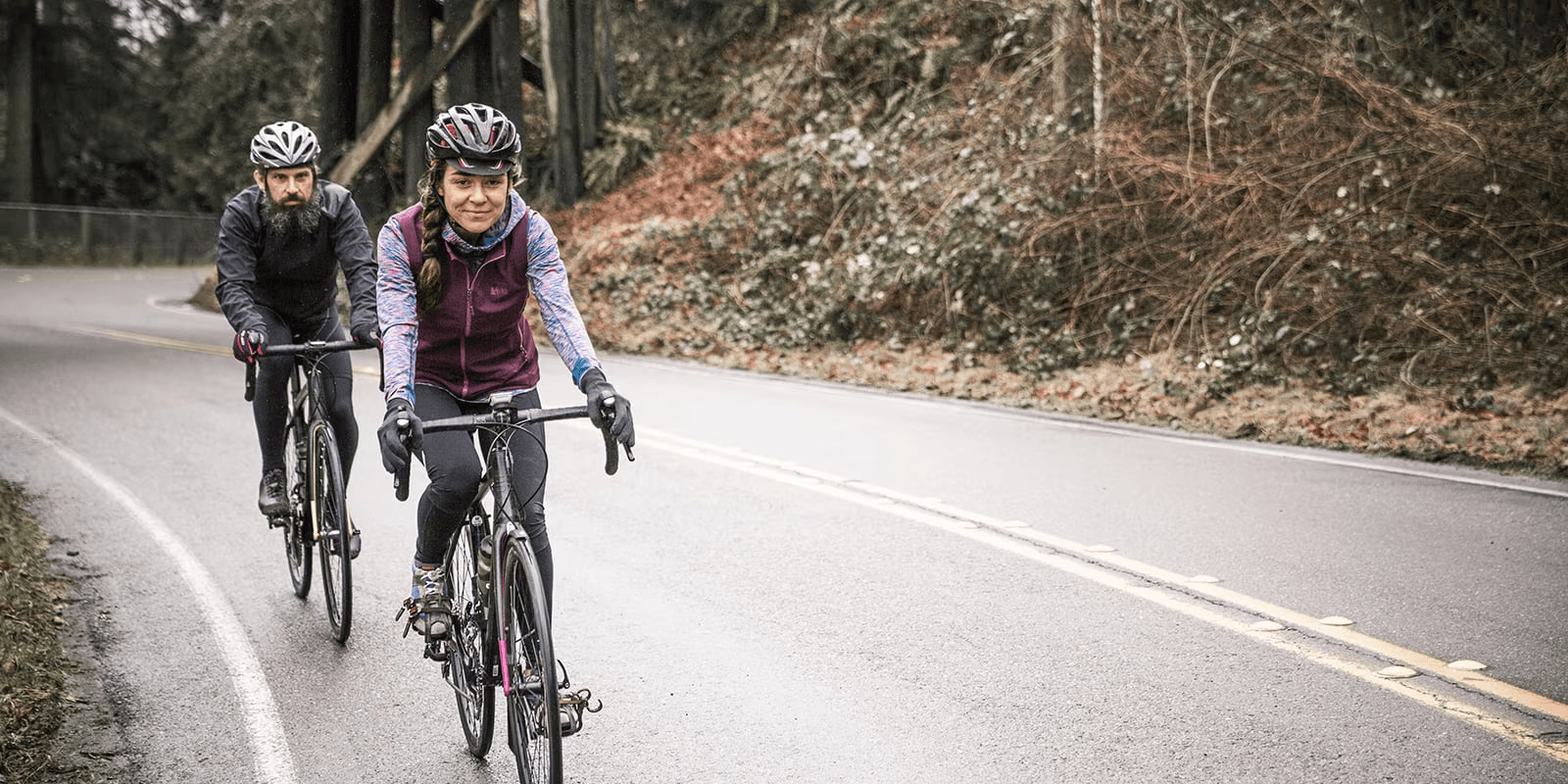
Training with others adds accountability and makes the miles feel shorter. When someone is waiting for you at 7 AM, skipping suddenly feels less tempting.
You don’t need to match schedules perfectly. Most people do their harder workouts solo anyway. That’s where focus matters more than conversation.
If you don’t have cycling friends yet, local bike shops and clubs are your gateway for rides with like-minded people.
And if the group ride isn’t long enough? Add miles before or after. Ride to the start. Ride home the long way.
4. Get the Right Gear
You don’t need a superbike that costs more than a used car.
But you do need gear that doesn’t sabotage you.
The essentials:
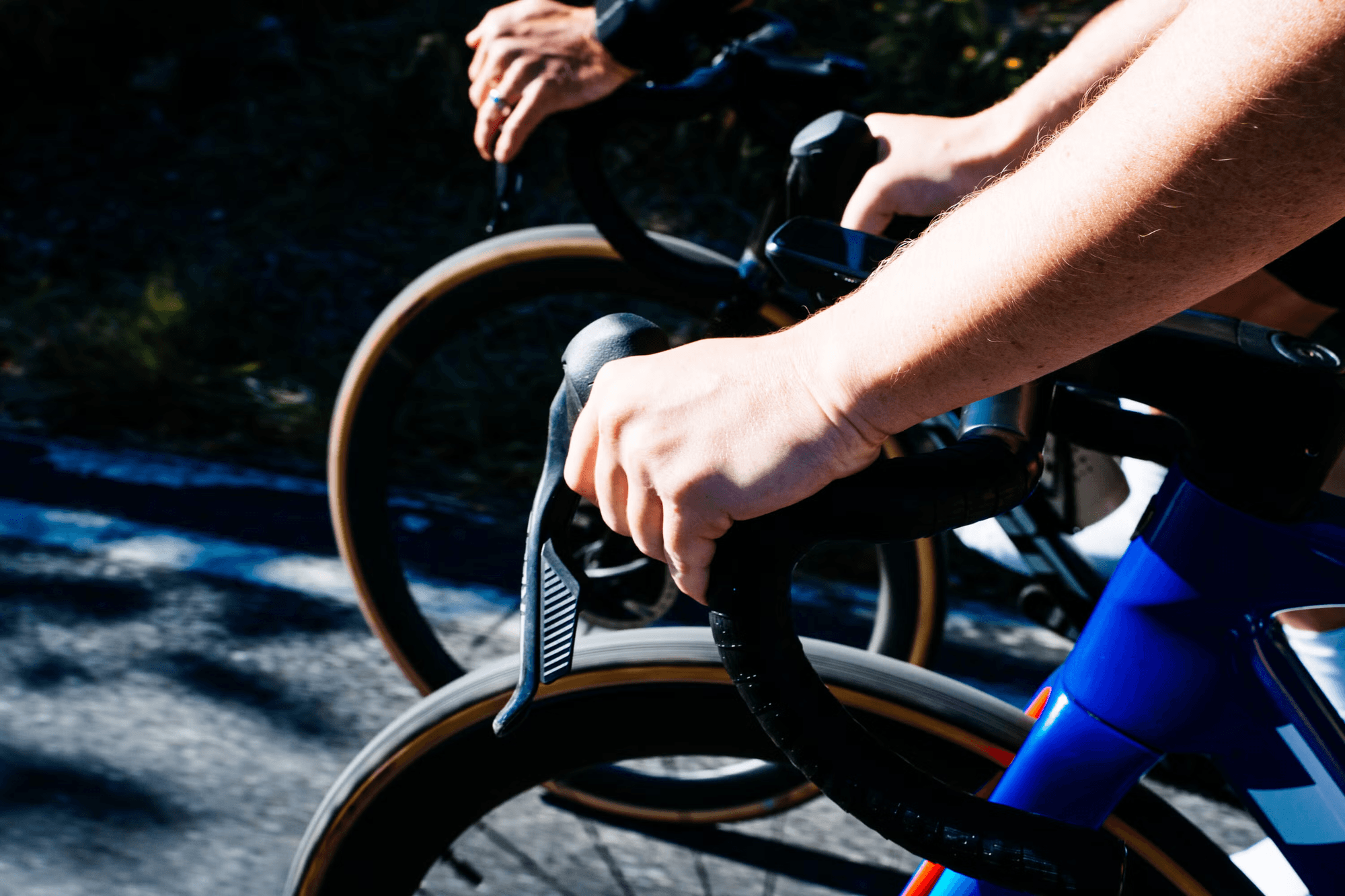
A well-maintained bike
Comfortable cycling shorts
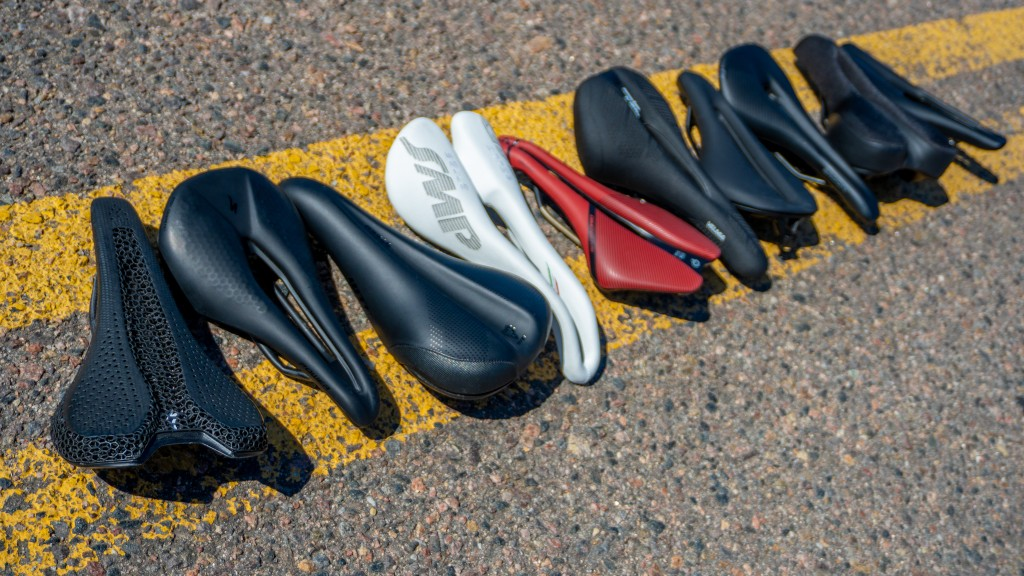
A saddle that doesn’t feel like punishment
A helmet (non-negotiable)
Nice-to-have upgrades:
Cycling computer or GPS watch
Heart rate monitor
Clipless pedals (if you’re ready for them)
The goal isn’t to look like a pro. The goal is to remove friction. Good gear reduces discomfort, and less discomfort means longer, better rides.
5. Train Like an Athlete Off the Bike
Here’s the moment where things shift: you’re no longer “just riding a bike.”
You’re training.
That means what happens off the bike matters just as much as what happens on it.
Mobility and Strength
Cycling is repetitive. Same motion, same muscles, over and over. That creates imbalances.
Yoga, stretching, or even short mobility routines help:
Loosen tight hips
Protect your lower back
Improve overall efficiency
Nutrition
Food becomes fuel, not just entertainment.
Focus on:
Plenty of vegetables and fruit
Lean protein for recovery
Carbs for energy
Hydration (always more than you think)
Smoothies are a secret weapon. Easy, fast, and packed with nutrients.
Sleep
Sleep is where the real gains happen.
If you’re training consistently, aim for more sleep than usual. Your body is rebuilding itself every night. Give it the time to do that properly.
Recovery
Foam rollers, stretching, occasional baths, even just lying on the floor dramatically after a ride… it all counts.
And if something hurts? Address it early. Small issues grow fast when ignored.
6. Train for the Route, Not Just the Distance
Not all centuries are created equal.
Some are flat and fast. Others feel like climbing a staircase that never ends.
If you can, study your route:
Elevation profile
Terrain type
Wind exposure
Then mimic it in training.
If your ride includes long climbs, find hills. If it’s rolling terrain, practice repeated efforts. If it’s flat, work on steady pacing and cadence.
Even better: ride sections of the actual course if possible. Familiarity removes uncertainty, and uncertainty is what drains energy on race day.
7. Build Up with Shorter Events
A century shouldn’t be your first long ride experience.
Instead, stack smaller wins:
40–50 miles
60–75 miles
These rides act like checkpoints in your journey. They teach you things no training plan can fully explain.
You’ll learn:
What to eat mid-ride
How often to drink
When to push and when to hold back
How your body behaves after hour three
Events are especially helpful because they bring energy. Riding solo, 50 miles can feel endless. In an organized ride, it flies by.
You also get comfortable with logistics: aid stations, pacing, group dynamics. By the time your century arrives, nothing feels new.
A Simple 12-Week Progression
Your long ride is the backbone of your plan. Each week, it grows slightly:
Week 1–2: 20–30 miles
Week 3–4: 30–40 miles
Week 5–6: 40–50 miles
Week 7–8: 50–65 miles
Week 9–10: 65–80 miles
Week 11: Peak ride (80–90 miles)
Week 12: Taper (shorter rides, stay fresh)
Remember, you’re building confidence, not just distance.